Ready
Typography
The typographic styles that make up our Basis applications user interfaces. All styles use Source Sans Pro.
Styles

.type-color-heading
--neutral-1200

.type-color-default
--neutral-900

.type-color-subtle
--neutral-700

.type-color-disabled
--neutral-500

.type-color-heading-inverse
--neutral-0

.type-color-default-inverse
--neutral-400

.type-color-subtle-inverse
--neutral-600

.type-color-disabled-inverse
--neutral-700

.type-body-regular-sm
--type-size-12
--font-weight-400
--line-height-16
--inter

.type-body-regular-md
--type-size-14
--font-weight-400
--line-height-20
--inter

.type-body-regular-lg
--type-size-16
--font-weight-400
--line-height-24
--inter

.type-body-semibold-sm
--type-size-12
--font-weight-600
--line-height-16
--inter

.type-body-semibold-md
--type-size-14
--font-weight-600
--line-height-20
--inter

.type-body-semibold-lg
--type-size-16
--font-weight-600
--line-height-24
--inter

.type-body-bold-sm
--type-size-12
--font-weight-700
--line-height-16
--inter

.type-body-bold-md
--type-size-14
--font-weight-700
--line-height-20
--inter

.type-body-bold-lg
--type-size-16
--font-weight-700
--line-height-24
--inter

.type-heading-regular-sm
--type-size-20
--font-weight-400
--line-height-24
--inter

.type-heading-regular-md
--type-size-24
--font-weight-400
--line-height-32
--inter

.type-heading-regular-lg
--type-size-32
--font-weight-400
--line-height-36
--inter

.type-heading-semibold-sm
--type-size-20
--font-weight-600
--line-height-24
--inter

.type-heading-semibold-md
--type-size-24
--font-weight-600
--line-height-32
--inter

.type-heading-semibold-lg
--type-size-32
--font-weight-600
--line-height-36
--inter

.type-heading-light-display
--type-size-60
--font-weight-300
--line-height-72
--inter

.type-heading-regular-display
--type-size-60
--font-weight-400
--line-height-72
--inter

.type-heading-semibold-display
--type-size-60
--font-weight-600
--line-height-72
--inter

.type-smallcaps-regular-sm
--type-size-12
--font-weight-400
--line-height-16
--source-sans-pro-sc

.type-smallcaps-regular-md
--type-size-14
--font-weight-400
--line-height-20
--source-sans-pro-sc

.type-smallcaps-regular-lg
--type-size-16
--font-weight-400
--line-height-24
--source-sans-pro-sc

.type-smallcaps-semibold-sm
--type-size-12
--font-weight-600
--line-height-16
--source-sans-pro-sc

.type-smallcaps-semibold-md
--type-size-14
--font-weight-600
--line-height-20
--source-sans-pro-sc

.type-smallcaps-semibold-lg
--type-size-16
--font-weight-600
--line-height-24
--source-sans-pro-sc
Best Practices
Hierarchy
Use the typographic scale to establish content hierarchy.¹ Use smaller text for less important information and larger text for more significant information.
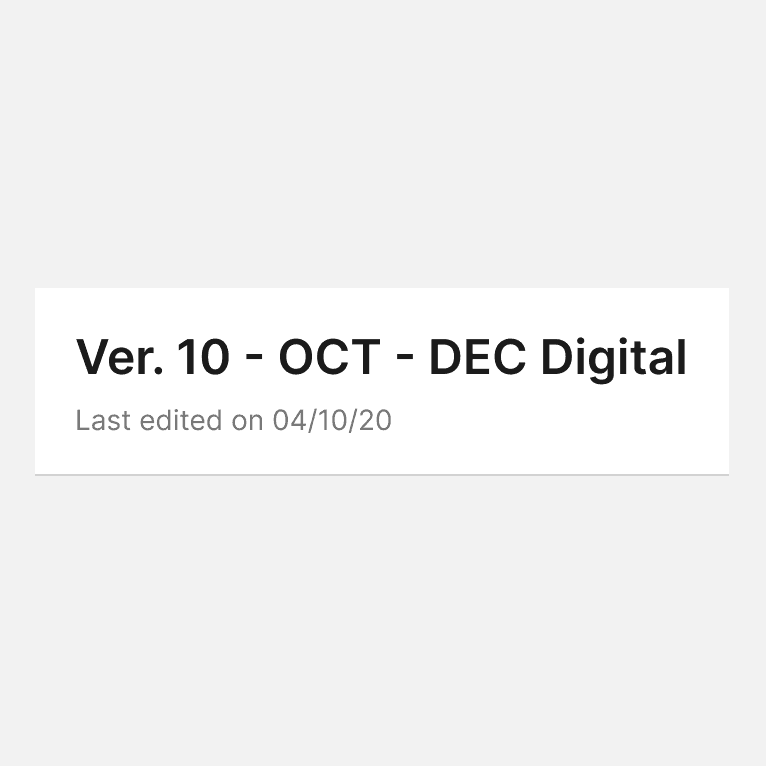
Do
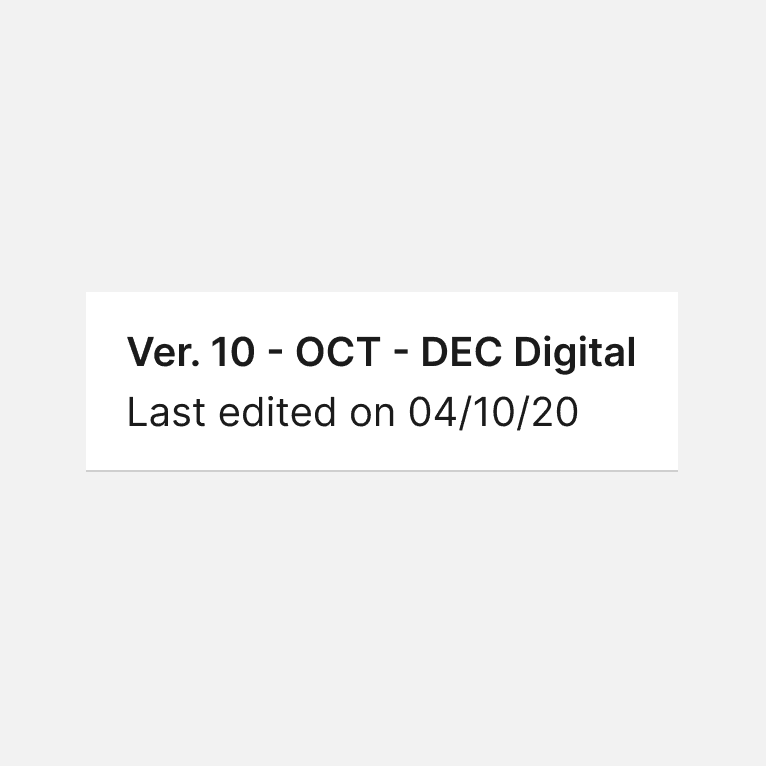
Don't
Line Length
Maintain a proper line length to improve legibility. The suggested line length for on-screen text is within the range of 60 to 80 characters, this is based on a screen size of 1440px and font size of 16px. ¹
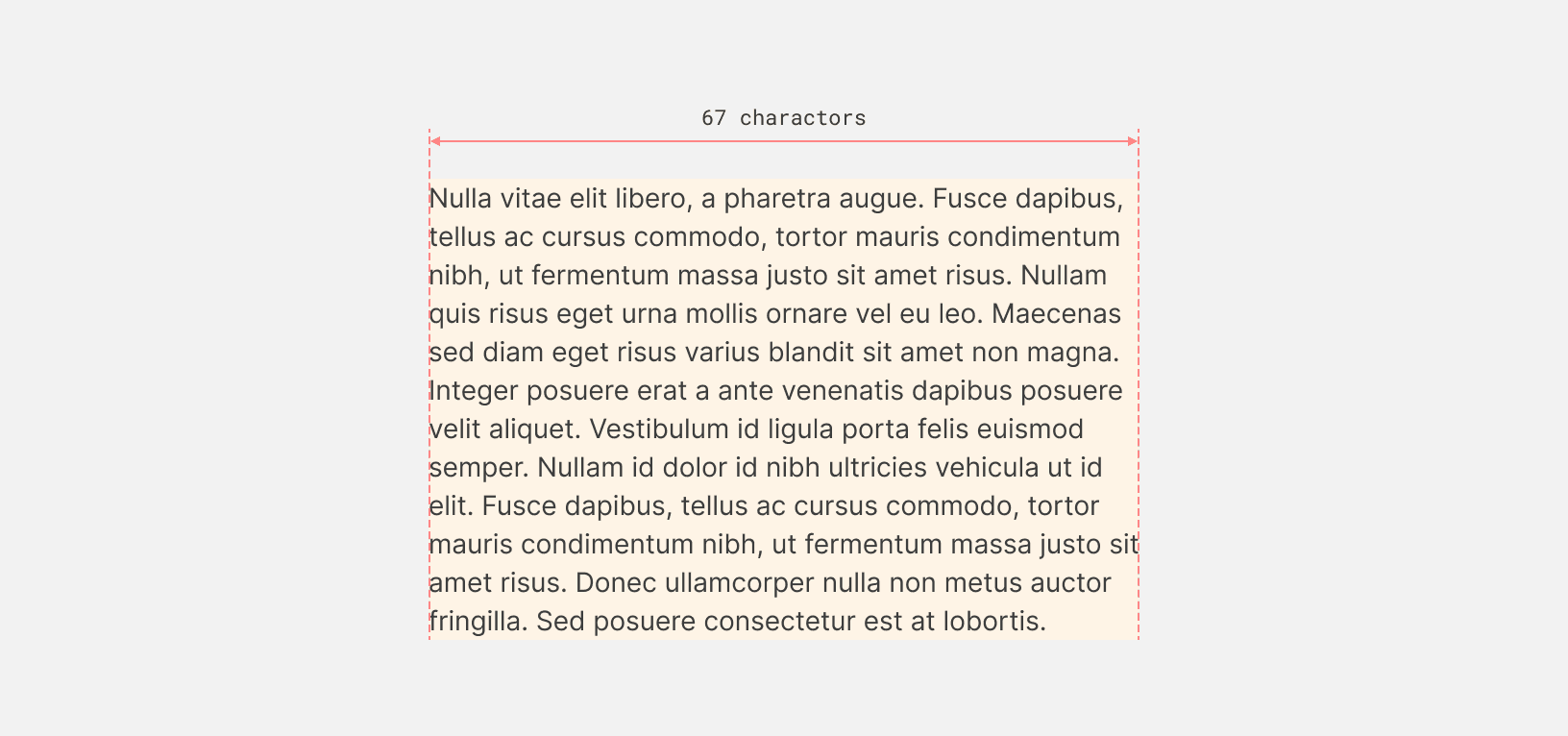
Do
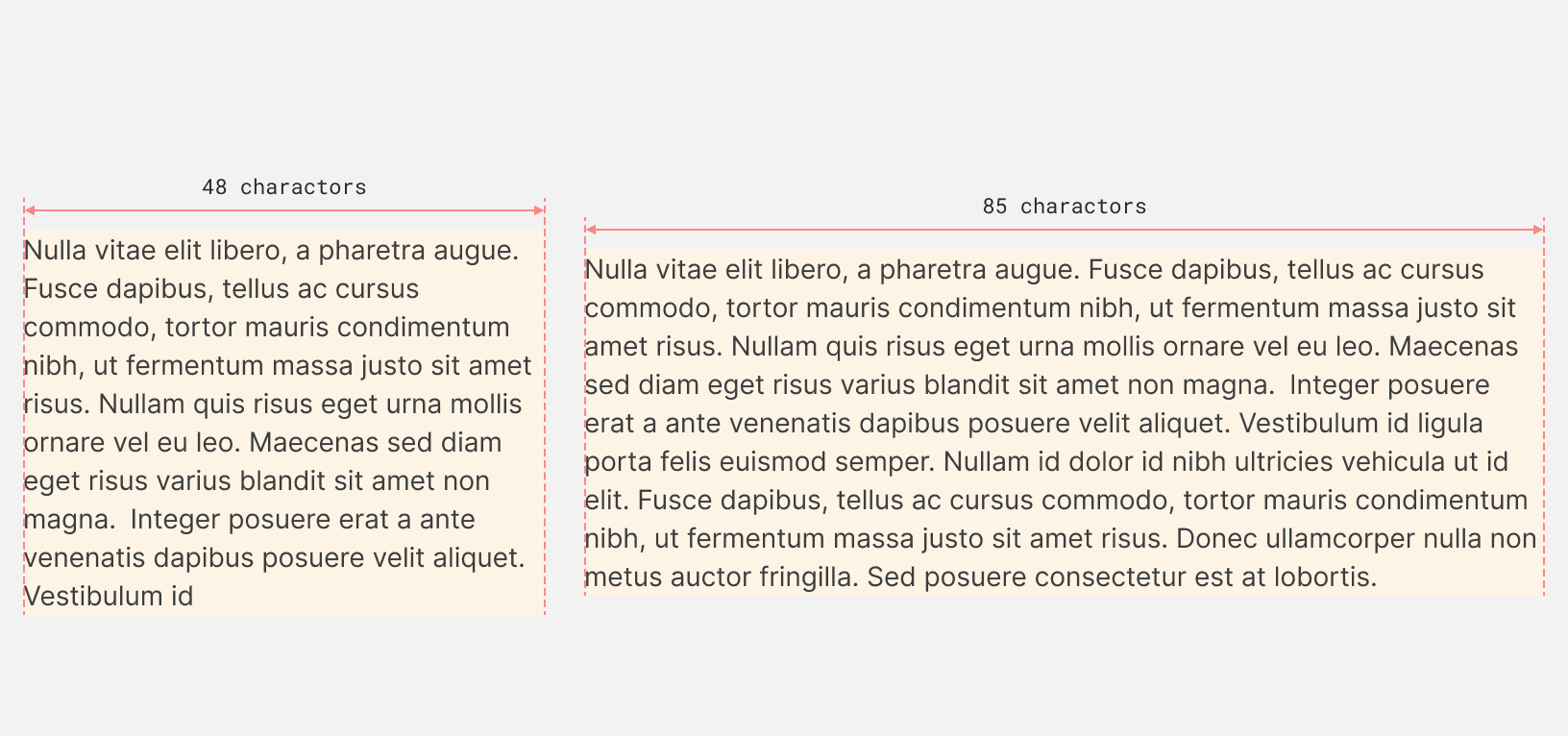
Don't
Combinations
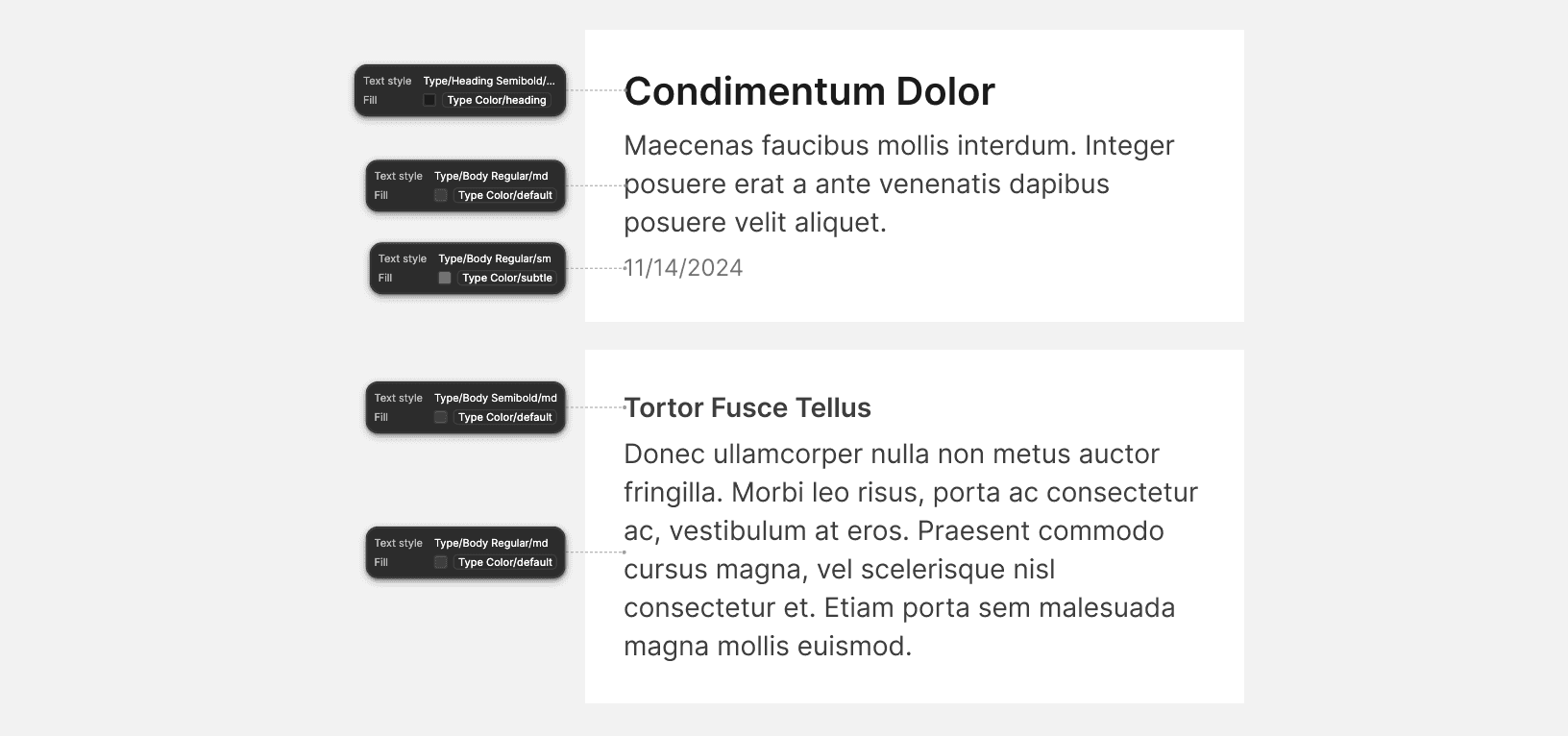
Here are some examples of frequently used typography combinations that can serve as a helpful starting point. It is important to note that these combinations are not obligatory and can be customized according to design requirements.
Do
Tokens
More
Additional Reading
7 typography tips for interface design https://uxdesign.cc/7-typography-tips-for-interface-design-b7185e9397c4